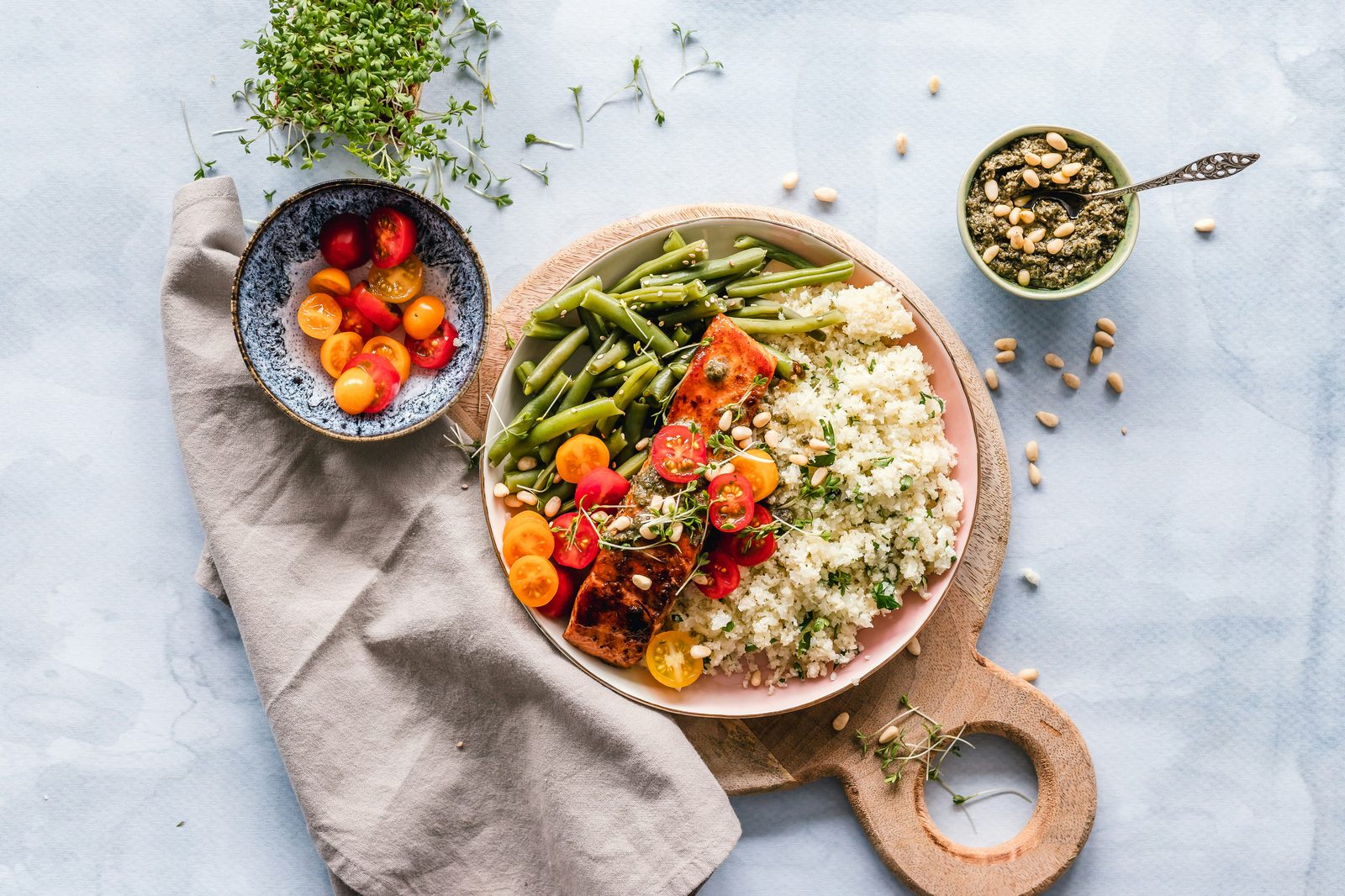
Nutrition is the most powerful tool for managing type 2 diabetes. The right dietary approach can significantly improve blood sugar control, reduce medication needs, and in some cases achieve remission. This guide covers evidence-based nutritional strategies for people with type 2 diabetes or prediabetes.
Important: This guide is for educational purposes only. Always consult your doctor or registered dietitian before making significant dietary changes if you have diabetes.
How food affects blood sugar
When you eat carbohydrates, they are broken down into glucose and absorbed into the bloodstream, raising blood sugar. The pancreas responds by releasing insulin to move glucose into cells. In type 2 diabetes, cells become resistant to insulin, causing blood glucose to remain elevated.
The goal of a diabetes-friendly diet is to:
- Prevent large blood sugar spikes after meals
- Maintain stable blood glucose throughout the day
- Support healthy body weight (especially reducing visceral fat)
- Provide all necessary nutrients
Carbohydrates and diabetes
Carbohydrates have the greatest effect on blood sugar. However, the type and amount of carbohydrates matter more than avoiding them entirely.
Low-GI carbohydrates (prioritise these)
- Legumes: lentils, chickpeas, beans (GI 20–40)
- Non-starchy vegetables: broccoli, spinach, peppers, cucumber
- Whole grains: oats, barley, brown rice, quinoa
- Most fruits: berries, apples, pears, citrus (whole, not juice)
High-GI carbohydrates (limit or avoid)
- White bread, white rice, regular pasta
- Sugary drinks, fruit juices
- Sweets, cakes, biscuits
- Processed breakfast cereals
- Potatoes (especially baked/mashed)
Protein and diabetes
Protein has minimal direct effect on blood glucose. Including protein in meals slows digestion and reduces the glycaemic impact of the meal. Aim for 1.0–1.5g per kg of body weight per day from lean sources: chicken, fish, eggs, legumes, and low-fat dairy.
Fats and diabetes
Fat has essentially no direct effect on blood glucose. However, the type of fat matters significantly:
- Prioritise: Olive oil, avocado, nuts, oily fish (omega-3s reduce inflammation)
- Limit: Saturated fat from red meat, full-fat dairy, processed meats
- Avoid: Trans fats in processed and fried foods
The plate method for diabetes
A simple approach: divide your plate into:
- ½ plate: Non-starchy vegetables (broccoli, salad, peppers, courgette)
- ¼ plate: Lean protein (chicken, fish, tofu, eggs)
- ¼ plate: Low-GI carbohydrates (brown rice, lentils, sweet potato)
Foods particularly beneficial for blood sugar control
- Vinegar: 1–2 tbsp before meals reduces post-meal blood sugar by 20–35%
- Cinnamon: May improve insulin sensitivity — add to porridge or yoghurt
- Berries: High in fibre and polyphenols that slow glucose absorption
- Leafy greens: Very low carb, high in magnesium which supports insulin function
- Nuts: Reduce post-meal blood sugar spikes when eaten with carbohydrates