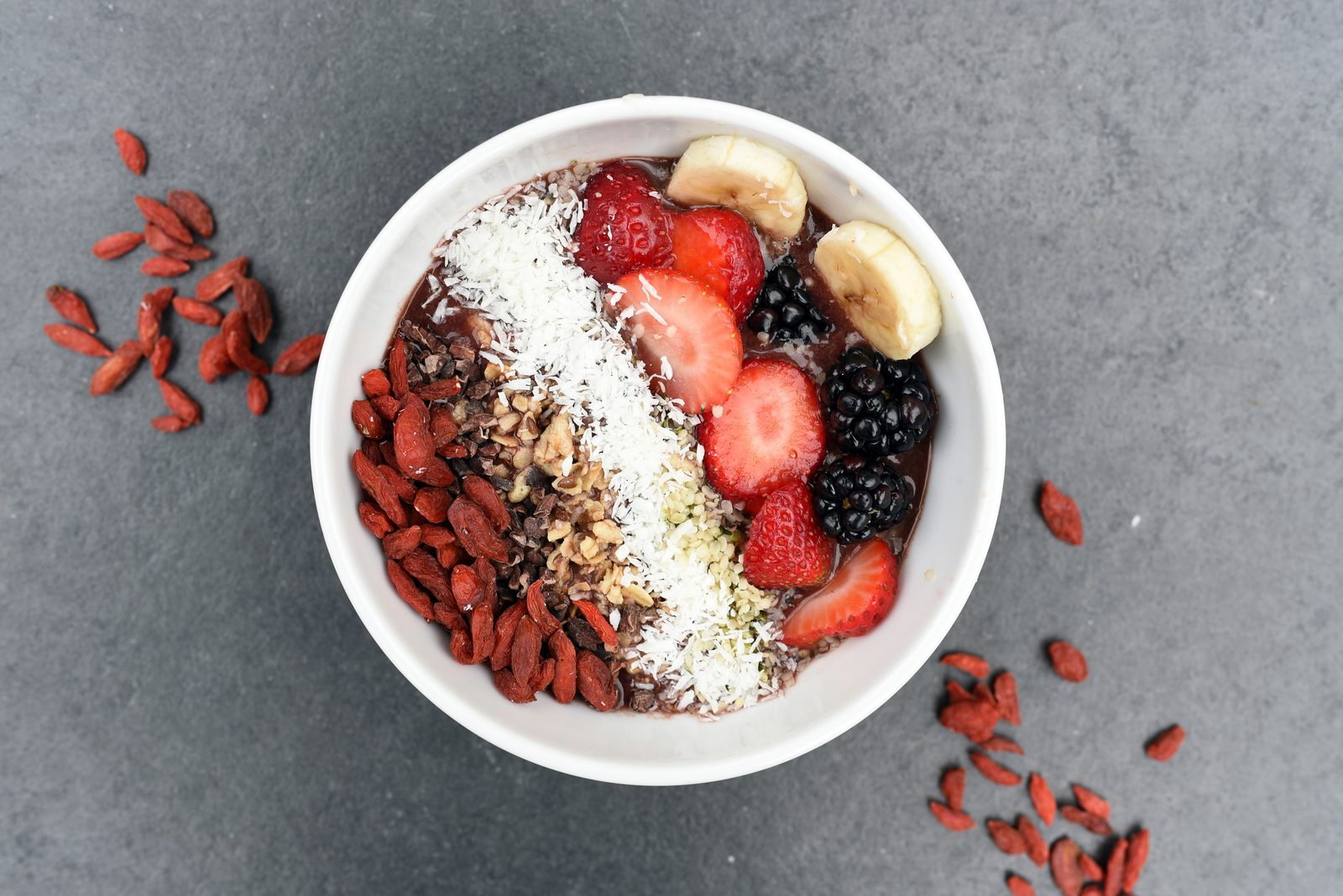
"Superfood" is a marketing term, not a scientific one. No regulatory body defines or certifies superfoods. Yet the concept points to something real: some foods are genuinely exceptional in their nutrient density. Here is an honest, evidence-based look at popular superfoods — what they actually contain, what the research shows, and whether they are worth the often premium price.
What makes a food a "superfood"?
Informally, the term refers to foods that are exceptionally high in nutrients relative to their calories — particularly antioxidants, vitamins, minerals, omega-3 fatty acids, or other bioactive compounds with documented health effects.
Evidence-backed superfoods worth including
Blueberries
Why they earned the label: Exceptionally high in anthocyanins — polyphenol antioxidants that cross the blood-brain barrier. Multiple studies link regular blueberry consumption to improved memory, reduced blood pressure, and lower LDL cholesterol oxidation. Just 1 cup (150g) provides 14g of fibre and significant vitamin C and K.
The verdict: Genuinely impressive. Fresh or frozen — the anthocyanins are preserved equally well.
Salmon and oily fish
Why it earned the label: One of the richest sources of omega-3 fatty acids (EPA and DHA), which reduce inflammation, support brain function, and are associated with 30% lower cardiovascular mortality in studies. Also an excellent complete protein source.
The verdict: Among the most evidence-backed "superfoods." Aim for 2 servings per week.
Kale
Why it earned the label: Exceptionally nutrient-dense — high in vitamins K, A, and C, calcium, and lutein (supports eye health). Very low calorie.
The verdict: Genuinely nutritious, but spinach, broccoli, and other leafy greens are similarly impressive. Don't overpay for kale — any dark leafy green provides comparable benefits.
Chia seeds
Why they earned the label: Very high in omega-3 (ALA), fibre (10g per 28g serving), calcium, and magnesium. The soluble fibre forms a gel that slows digestion and promotes fullness.
The verdict: A genuinely useful food, particularly for vegetarians and vegans as a plant-based omega-3 source. Note: ALA (plant omega-3) converts poorly to EPA and DHA — oily fish remains superior for omega-3 benefits.
Quinoa
Why it earned the label: One of the few plant foods containing all 9 essential amino acids (complete protein). Also higher in fibre than most grains and lower GI than white rice.
The verdict: A genuinely useful food, especially for vegetarians and vegans. Worth including but not magic — it is a grain with some extra advantages.
Turmeric / Curcumin
Why it earned the label: Curcumin, the active compound, has significant anti-inflammatory effects in laboratory studies. Often cited for joint health and cancer prevention.
The verdict: Promising but overhyped. Curcumin has very poor bioavailability — most is not absorbed. Black pepper (piperine) increases absorption by 2000%. Cooking with turmeric and black pepper is fine, but supplement doses used in studies are far higher than culinary use.
Overrated "superfoods" to approach sceptically
- Acai berries: High in antioxidants but no more so than blueberries or blackberries — and far more expensive
- Coconut oil: Heavily marketed but high in saturated fat with no convincing evidence of special health benefits
- Goji berries: Nutritious but not meaningfully superior to other berries
- Wheatgrass: Some vitamins and minerals but no robust human trial evidence for the health claims made
The bigger picture
No single superfood transforms your health. The evidence consistently shows that dietary patterns matter more than individual foods. A diet rich in vegetables, fruits, whole grains, legumes, lean protein, and healthy fats — as a whole — produces better outcomes than any superfood added to a poor diet.