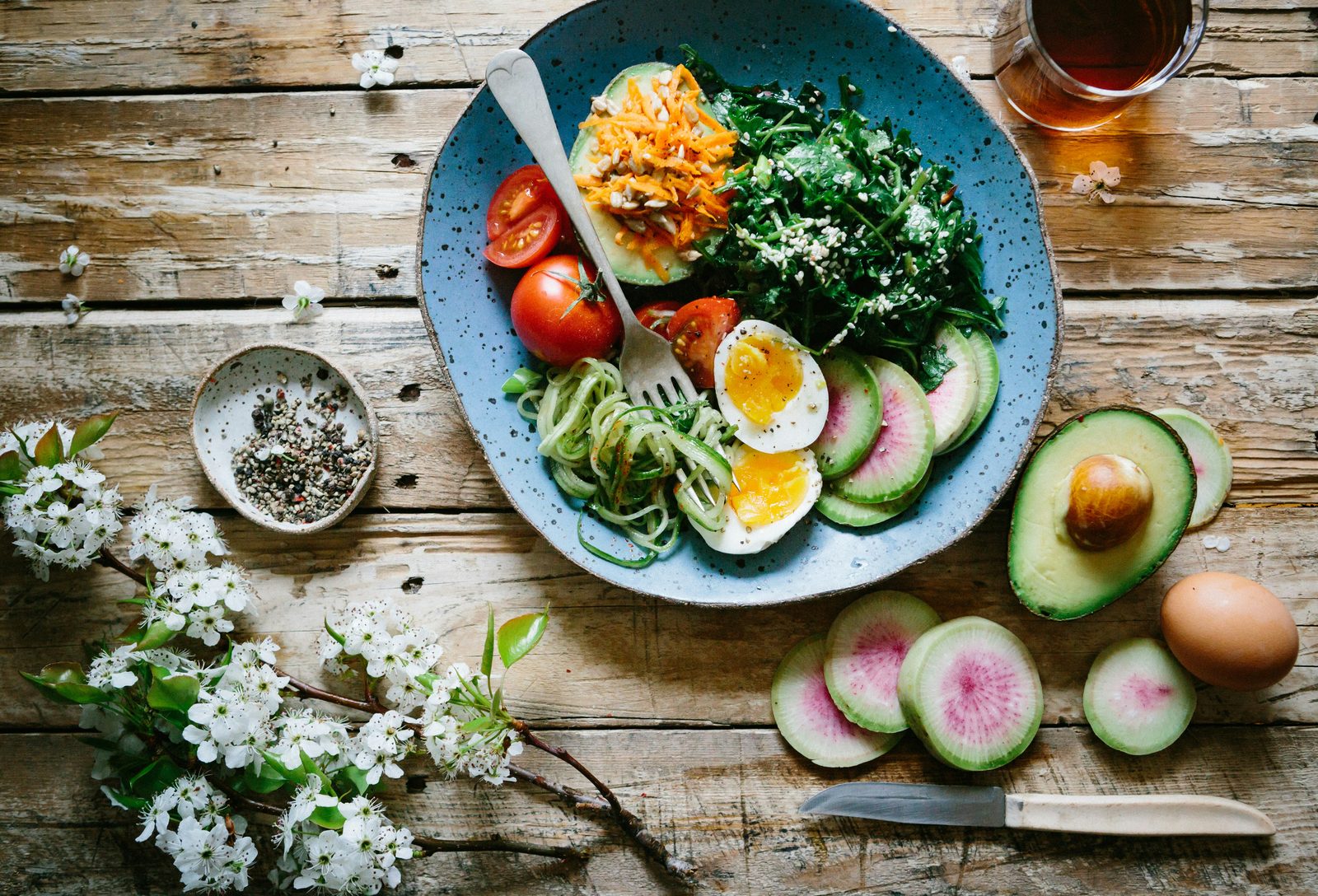
When it comes to losing weight, not all foods are created equal. Some foods make it much easier to stay in a calorie deficit by keeping you fuller for longer, boosting metabolism, or simply being lower in calories relative to their volume. Here are the best evidence-based foods for weight loss.
1. Eggs
Eggs are one of the most satiating foods you can eat. High in protein (13g per 100g) and healthy fats, eggs trigger fullness hormones that reduce appetite for hours after eating. Studies show that eating eggs for breakfast leads to significantly lower calorie intake throughout the day compared to carbohydrate-based breakfasts.
2. Leafy greens
Spinach, kale, lettuce, and other leafy greens are extremely low in calories (20–35 kcal per 100g) but high in volume, fibre, and water. They fill your stomach with minimal calorie cost. Adding 200–300g of leafy greens to meals can significantly increase meal volume and satiety without meaningfully increasing calorie intake.
3. Chicken breast
Chicken breast is the gold standard for lean protein: 31g of protein per 100g cooked, with just 165 kcal. Protein has the highest thermic effect of any macronutrient (20–30% of its calories are burned during digestion), supports muscle retention during a deficit, and is the most satiating macronutrient gram for gram.
4. Salmon
Salmon provides high-quality protein alongside omega-3 fatty acids, which research suggests may reduce inflammation and support fat metabolism. A 150g serving provides about 37g of protein and 312 kcal — making it extremely filling relative to its calorie content.
5. Greek yoghurt (0% fat)
Greek yoghurt is exceptionally high in protein (10g per 100g) for a dairy product, with very few calories (59 kcal per 100g). It also contains probiotics that support gut health. Use it as a high-protein snack, breakfast base, or as a substitute for sour cream and cream cheese in recipes.
6. Oats
Oats are among the most filling breakfast foods. They contain beta-glucan, a soluble fibre that forms a gel in the stomach, slowing digestion and keeping you full for hours. A 60g serving of dry oats provides 6g of fibre and 17g of protein — an unusually high protein content for a grain.
7. Cottage cheese
Cottage cheese is surprisingly high in protein (11g per 100g) with very few calories (72 kcal per 100g). It is mostly casein protein, which digests slowly and provides prolonged satiety. Eating cottage cheese before bed may help preserve muscle mass during overnight fasting.
8. Legumes (lentils, chickpeas, beans)
Legumes are rich in protein, fibre, and complex carbohydrates — a combination that makes them extremely filling. Studies consistently show that people who eat legumes regularly have lower body weights. A 200g serving of cooked lentils provides 18g of protein and 16g of fibre for just 232 kcal.
9. Cruciferous vegetables (broccoli, cauliflower)
Broccoli and cauliflower are very low in calories (30–35 kcal per 100g) but high in fibre and water content. They are particularly filling and can be eaten in large quantities. A 300g portion of broccoli contains just 100 kcal but provides 7g of fibre and significant amounts of vitamin C and K.
10. Whole grains (quinoa, brown rice)
Whole grains are more filling than refined grains because of their higher fibre content. Quinoa is particularly beneficial — it contains all essential amino acids, making it a complete protein, and has a lower glycaemic index than white rice. Switching from white to brown rice or quinoa can reduce hunger without changing portion sizes significantly.
Foods to limit (not avoid) during weight loss
- Ultra-processed foods — engineered to override satiety signals, easy to overconsume
- Liquid calories — juices, soft drinks, alcohol, and sweetened coffee drinks add hundreds of kcal with no satiety benefit
- High-fat processed snacks — calorie-dense and low in protein and fibre
No food is forbidden during weight loss — a calorie deficit is what matters. However, choosing foods that are high in protein and fibre makes maintaining that deficit far easier.