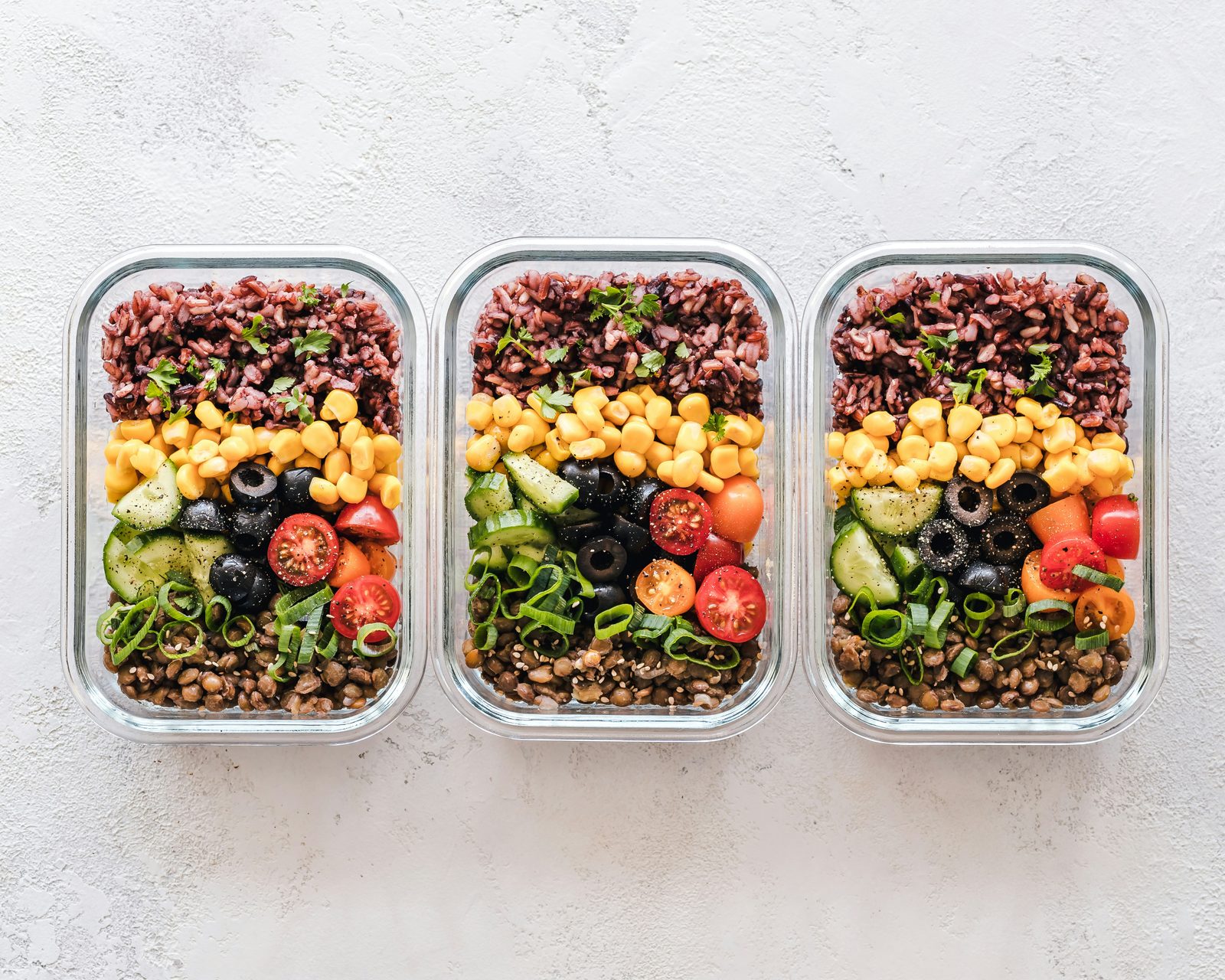
Anyone tracking calories or macros eventually runs into the same tension: home-cooked meal prep gives precise control, but eating out saves real time and effort. Neither is universally "better" — the right balance depends on your budget, schedule, and how much precision your specific goals actually require.
Cost: meal prep wins decisively
A home-cooked meal prepared in batch typically costs a fraction of an equivalent restaurant meal, since you're paying only for raw ingredients rather than also covering labour, overhead, and profit margin. Buying proteins, grains, and vegetables in bulk and cooking several days of meals at once brings the per-meal cost down further still, making meal prep one of the most reliable ways to reduce a food budget without sacrificing food quality or quantity.
Calorie and macro accuracy: meal prep is far more precise
When you weigh and cook your own ingredients, you know exactly what's in each meal — precise protein, carbs, fat, and total calories, verifiable against a kitchen scale and nutrition database. Restaurant meals are considerably harder to track accurately: portion sizes vary between visits, hidden oils and butter add unlogged calories, and even published restaurant nutrition information is an average that may not match your specific plate exactly. For anyone with precise physique or performance goals, this accuracy gap matters considerably.
Time: eating out has the real advantage
This is where eating out genuinely wins. There's no shopping, chopping, cooking, or cleaning — someone else has already done all of that. For people with genuinely limited time, particularly during demanding work periods or with unpredictable schedules, the time meal prep requires (typically 1-2 hours weekly for batch cooking, on top of daily shopping trips if not batching) is a real cost that eating out simply removes.
Food quality and ingredient control
Meal prep gives complete control over ingredient quality, cooking methods, and oil or seasoning amounts — genuinely valuable for anyone managing a specific dietary restriction, food sensitivity, or simply wanting more control over exactly what goes into their food. Restaurants vary enormously in quality and transparency; some are happy to accommodate substitutions or provide detailed nutrition information, while others offer neither, making it a matter of restaurant selection rather than a fixed category difference.
Variety and food enjoyment
Eating out offers effectively unlimited variety without the effort of learning new recipes or sourcing unusual ingredients yourself. Meal prep, especially when done the same way week after week, can become monotonous, which is a genuine adherence risk — a diet plan that feels like a chore is harder to sustain than one that still includes enjoyable variety, regardless of how nutritionally sound it is on paper.
A realistic middle ground
Few people need to choose one exclusively. A common practical approach is meal prepping the bulk of weekday meals — where consistency and cost matter most and time is typically most constrained — while allowing eating out for social occasions, weekends, or the occasional convenience meal when time genuinely runs short. This captures most of meal prep's cost and accuracy benefits while preserving eating out's convenience and variety for the moments it matters most.
Which approach fits you?
If budget is a significant constraint or you have precise calorie and macro targets to hit consistently, prioritising meal prep for most meals will serve you better. If your primary constraint is time, or you place high value on food variety and social eating, building in more eating out — while still making informed choices when you do — is a completely reasonable approach. The sustainable answer for most people sits somewhere between the two extremes rather than at either end.
Frequently asked questions
How much money does meal prep actually save?
A home-cooked meal prep meal typically costs a fraction of an equivalent restaurant meal, often saving significant money per meal when prepared in batches with cost-effective ingredients like grains, legumes, and bulk protein.
Is restaurant food always higher in calories than home cooking?
Not always, but frequently — restaurants often use more oil, butter, and larger portions than typical home cooking, and it's genuinely difficult to know exact calorie content without published nutrition information.
Can I eat out and still hit my calorie and macro targets?
Yes, with more effort — checking nutrition information in advance, choosing restaurants that publish accurate data, and making informed menu choices makes it possible, though generally less precise than weighing home-prepared food.
How much time does meal prep actually take per week?
A typical batch cooking session for several days of meals usually takes 1-2 hours weekly, which is often less total time than the combined daily decisions and trips involved in eating out regularly.