Sea salt sits in a premium, rustic-looking container on the shelf next to plain table salt at a fraction of the price, and the marketing implies a meaningful health upgrade. The actual chemistry tells a much less dramatic story — one worth understanding before paying a premium based on packaging alone.
What each salt actually is
Table salt is mined from underground salt deposits and heavily processed to remove impurities, resulting in nearly pure sodium chloride, typically with added anti-caking agents and, in most countries, added iodine. Sea salt is produced by evaporating seawater, leaving behind sodium chloride along with trace amounts of other minerals naturally present in seawater — magnesium, potassium, calcium, and others, depending on the source.
Sodium content: nearly identical
This is the single most important practical fact in this comparison: both table salt and sea salt are roughly 98-99% sodium chloride by weight. Gram for gram, they contain essentially the same amount of sodium. Anyone switching to sea salt for a "healthier" sodium profile is working from a misconception — the sodium content driving blood pressure and cardiovascular concerns is virtually unchanged.
The trace mineral marketing claim
Sea salt's health marketing centres on its trace mineral content — magnesium, potassium, calcium, and others from the seawater it's derived from. These minerals are real, but present in amounts far too small to matter nutritionally. You would need to consume an impractical, health-damaging quantity of sea salt to get a meaningful dose of these minerals compared to simply eating a piece of fruit, a handful of nuts, or a serving of leafy greens.
Iodine: an actual meaningful difference
This is where a real distinction exists, though not in sea salt's favour for public health purposes. Iodised table salt was specifically introduced in the 20th century as a successful public health intervention to prevent iodine deficiency disorders, since dietary iodine wasn't reliably available otherwise for many populations. Most sea salt is not iodised. Someone relying entirely on sea salt without other reliable iodine sources (seafood, dairy, iodised bread in some countries) could theoretically be at higher risk of inadequate iodine intake — a genuine, if often overlooked, consideration.
Where sea salt has a legitimate advantage
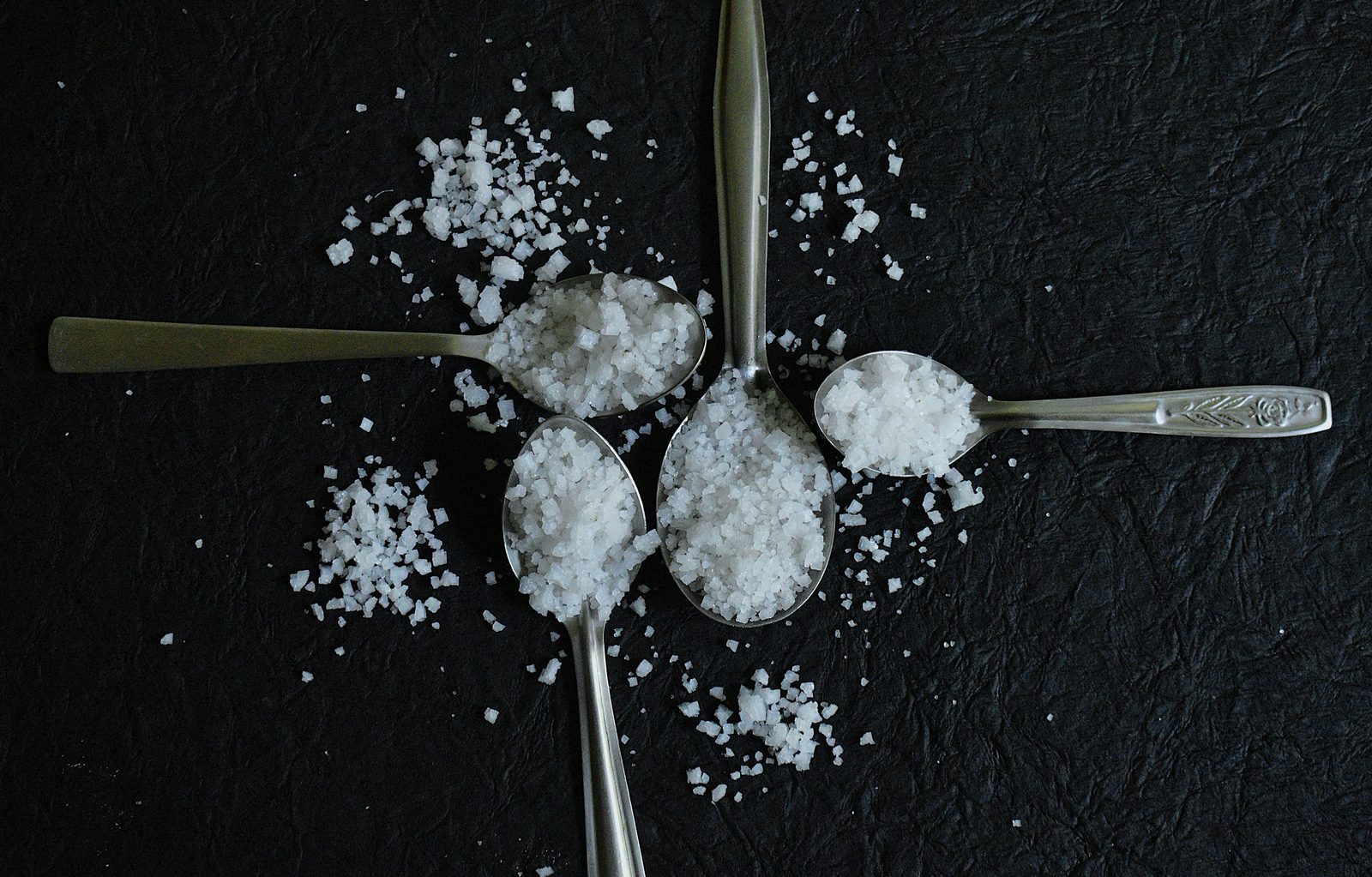
The real difference worth caring about is culinary, not nutritional. Sea salt's larger, irregular crystal structure dissolves more slowly and provides a different texture and burst of flavour when used as a finishing salt, sprinkled on food just before serving. This is a genuine reason chefs prefer it for certain applications — it's just not a health reason, and doesn't apply when salt is dissolved into cooking anyway, where the crystal structure disappears entirely.
Should the price premium change your choice?
Given the near-identical sodium content and negligible mineral contribution, paying a significant premium for sea salt purely for assumed health benefits isn't well supported by the evidence. If you enjoy the texture and flavour experience for finishing dishes, that's a legitimate culinary reason to choose it — just go in clear-eyed that it's a taste and texture preference, not a meaningfully healthier sodium source.
The bottom line on sodium regardless of source
Whichever salt you use, total sodium intake — not the source — is what matters for blood pressure and cardiovascular health. Most sodium in the average diet comes from processed and restaurant food rather than salt added at home, making the sea-salt-versus-table-salt choice a relatively minor factor in overall sodium intake for most people.
Frequently asked questions
Does sea salt have less sodium than table salt?
By weight, both are roughly 98-99% sodium chloride, so the sodium content is nearly identical gram for gram, despite sea salt's health-focused marketing.
Is sea salt a better source of minerals than table salt?
The trace minerals in sea salt (magnesium, potassium, calcium) are present in amounts too small to provide meaningful nutritional benefit compared to getting these minerals from actual food sources.
Why does table salt contain iodine but sea salt often doesn't?
Iodine is deliberately added to table salt as a public health measure to prevent iodine deficiency, since it's not a significant natural component of either salt type. Sea salt typically isn't fortified.
Does the texture of sea salt actually matter?
Yes, for cooking and seasoning purposes — coarser sea salt crystals dissolve slower and can provide bursts of flavour and texture that fine table salt doesn't, which is a legitimate culinary reason to prefer it.