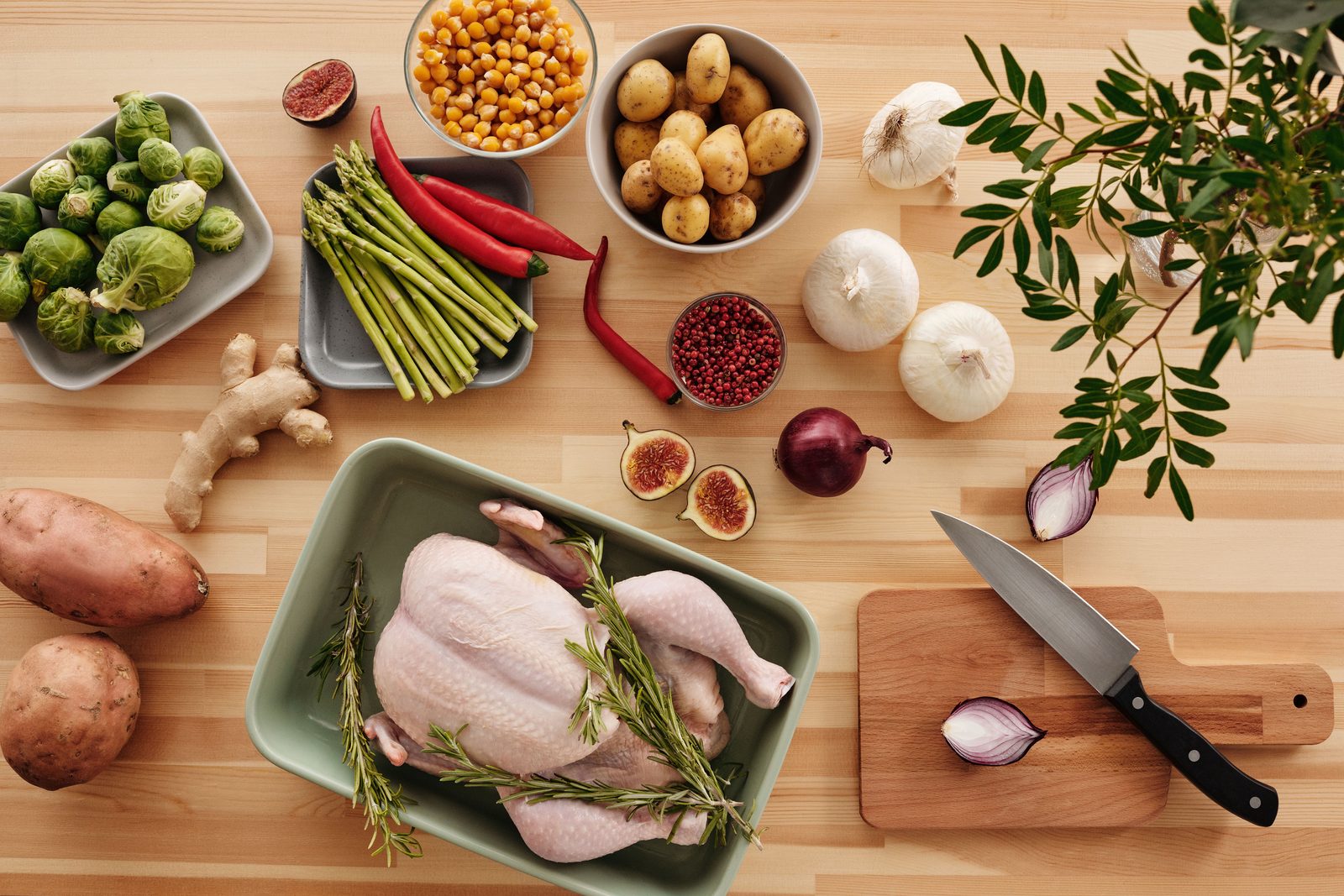
Dietary fibre is one of the most underconsumed nutrients in modern diets. The average adult eats just 15–17g of fibre per day, against a recommended 25–38g. Increasing fibre intake is associated with lower risk of heart disease, type 2 diabetes, colon cancer, and obesity. Here are the best high-fibre foods you can easily add to your diet.
Why fibre matters
- Gut health: Fibre feeds beneficial gut bacteria (prebiotics), supporting a diverse microbiome linked to better immune function, mood, and metabolic health
- Weight control: Fibre adds bulk without calories, slows digestion, and reduces appetite
- Blood sugar: Soluble fibre slows glucose absorption, preventing blood sugar spikes
- Heart health: Soluble fibre binds to cholesterol and removes it from the body
Top high-fibre foods by category
Legumes (highest fibre foods)
- Black beans (cooked, 100g): 8.7g fibre
- Lentils (cooked, 100g): 7.9g fibre
- Chickpeas (cooked, 100g): 7.6g fibre
- Kidney beans (cooked, 100g): 7.4g fibre
- Edamame (100g): 5.2g fibre
Grains and cereals
- Oats (dry, 100g): 10.6g fibre
- Whole wheat bread (1 slice): 2g fibre
- Brown rice (cooked, 100g): 1.8g fibre
- Quinoa (cooked, 100g): 2.8g fibre
- Bran flakes (30g serving): 5g fibre
Vegetables
- Broccoli (100g): 2.6g fibre
- Carrot (100g): 2.8g fibre
- Sweet potato (100g): 3.0g fibre
- Brussels sprouts (100g): 3.8g fibre
- Avocado (100g): 6.7g fibre
Fruits
- Avocado (½ fruit, 100g): 6.7g fibre
- Pear (1 medium, 180g): 5.5g fibre
- Apple with skin (1 medium): 4.4g fibre
- Raspberries (100g): 6.5g fibre
- Blueberries (100g): 2.4g fibre
- Banana (1 medium): 3.1g fibre
Nuts and seeds
- Chia seeds (28g): 9.8g fibre
- Flaxseeds (28g): 7.7g fibre
- Almonds (28g): 3.5g fibre
- Pumpkin seeds (28g): 1.7g fibre
How to increase fibre intake gradually
Increasing fibre too quickly causes bloating and discomfort. Increase by 5g per week and drink plenty of water. A practical approach:
- Week 1: Add 1 serving of legumes per day (lentil soup, hummus, beans)
- Week 2: Switch to whole grain bread and oats for breakfast
- Week 3: Add 1 tbsp of chia seeds to yoghurt or smoothies daily
- Week 4: Add 1–2 extra vegetable servings per day
Track your nutrition: Use our Recipe Calculator to check the fibre content of your meals, or our Food Nutrition Table for fibre data on 150+ foods.